FAQ
Every question, answered once.
Everything customers ask about ceramic coating, paint protection film, window tinting, wrapping, detailing and servicing, collected from every service page and kept current as those pages change.
All Questions
General
Grouped from every service page and updated automatically. Click a question to expand it; anything missing, call 1800 985 880.
Side and rear glass must let through at least 35% of visible light, with limited exceptions behind the driver on some vehicles. We fit the darkest legal shade by default, so you get the maximum look without a defect notice at the next roadworthy.
Real film does both, but the heat side depends on technology, not darkness. 3M Ceramic IR and Crystalline target infrared heat specifically, so the cabin is measurably cooler at the same shade. Glare and UV drop with every series.
Colour change, bubbling, peeling and delamination, for as long as you own the vehicle, backed by 3M and registered through us as the installer. Bring the car back if anything looks wrong and the fix is on the warranty, not on you.
Only the visor band at the top is permitted in Victoria, and we fit within that rule. For heat through the windscreen, clear films like Crystalline do the work without shading vision, staying fully legal for the glass ahead of the driver.
The film needs a few days to cure to the glass, longer in cold weather. Put windows down early and the edge can lift, so we tape a reminder and give you the exact timing for the season when you collect the car.
If you park outside or commute in summer, usually yes: the infrared rejection is the difference you feel getting into the car at 5pm. For a garaged car driven at night, Color Stable does the job and saves the difference.
The two founding partners still run it: one from the enthusiast side, one from the professional trade side. Both are in the building, which is why the standards on the floor match the promises on the website.
Mostly ordinary cars, honestly. Commuters, family SUVs and SUVs fill the week; the prestige work is the proof of process, not the target market. Thin factory paint is a problem every car shares.
Yes, walk in during opening hours. You can see the bays, the lighting, cars in progress and finished work, and get a straight answer about what your car does and does not need.
Swirls and shallow scratches polish out completely. A scratch you can catch a fingernail in is through the clear coat and needs paint, not polish, and we will tell you which is which at inspection rather than promise the impossible.
A maintenance detail is typically a day. Correction work runs one to three days depending on paint condition and how far you want to take it. We would rather hold the car an extra morning than hand back a panel that was rushed under the lights.
Almost always. Presentation is the cheapest value you can add to a used car: the detail typically costs less than the first haggle a shabby car invites, and listing photos of corrected paint pull more enquiries. We do sale-prep details to a deadline regularly.
Basic: decontamination wash and interior clean. Deluxe: everything in Basic plus machine polish and interior protection. Premium: multi-stage correction and protection on every surface, inside and out. Exact inclusions are confirmed on your quote, based on the car in front of us.
Yes. Interior-only bookings are common for family cars and airport runners: full extraction, leather care, odour treatment and optional fabric or leather protection. You do not have to buy an exterior package to get the cabin sorted.
A protected, sensibly washed car needs a maintenance detail once or twice a year. Unprotected daily drivers parked outside benefit from more. The honest schedule depends on where the car lives and how it is washed, and we will suggest one rather than a subscription.
No. Professionally removed film releases with heat and leaves the factory paint as it was when covered. What damages paint is amateur removal with scrapers or leaving a failed bargain film on for years, which is why we only fit warranted brands.
The manufacturers warrant the films we install against yellowing, cracking and peeling for years, and with normal washing they serve out that period comfortably. Exposure matters: a carport car keeps its film looking new longer than one parked on the street.
Clear gloss film is effectively invisible once fitted: edges are wrapped, patterns are cut for your model, and the gloss matches the paint. Visitors to the workshop routinely cannot tell a filmed front end from bare paint until we point at the edge.
Small coverage like door cups is usually done within the day. A full front is typically a one to two day booking, and a full car runs several days because panels and edges are wrapped, not rushed. We confirm timing when you book.
The combination beats either alone: film on the impact panels, ceramic coating everywhere. If you must pick one, match it to the car’s life: film for kilometres and keepers, coating for garaged and gentle. Anyone who names one product for every car is selling that product.
Weigh it against the alternative: a respray costs multiples of a protection package and never matches factory paint, and a chipped, dull car loses more at trade-in than protection ever cost. For new cars especially, it is cheaper to keep paint perfect than to make it perfect again.
Used cars are protected here every week. The difference is a correction step first, so the protection seals in a corrected finish rather than the wear. The result on a three year old car routinely beats what it looked like at handover.
Make both copies identical, using whichever wording matches the source paint-protection page.. Coating-led new car packages run $1090 to $4090. Tint starts at $495. Every job is quoted fixed before the car is booked, so the number you approve is the number you pay.
No. Logbook servicing to manufacturer specifications by a qualified workshop keeps your warranty intact, and we stamp and document everything accordingly.
The standard guide is every six months or 10,000 kilometres, whichever comes first. Your logbook may specify differently, and we follow the manufacturer’s schedule.
Yes, that is the point of one workshop. Service plus detail, or service scheduled into a protection package booking, means one trip and one pickup.
Yes, roadworthy and registration inspections, along with tyres, brakes, suspension and exhaust work at the Mitcham workshop.
Same day. Drop the car in the morning and collect it in the afternoon. Repairs get a quoted timeframe before work starts, and if the car is also booked for detailing or protection work, everything is combined into the one visit.
No. Australian consumer law lets any qualified workshop service a car under warranty, provided the work follows manufacturer specifications and is documented, which is exactly how our logbook servicing runs.
If you keep the car more than a couple of years, usually yes. The coating replaces the endless wax cycle, keeps the paint from dulling, and protects resale condition. The maths works best for daily drivers that live outside, which is the opposite of what most people assume.
No, and be wary of anyone who says it does. A coating is microns thick and protects against chemistry: UV, staining, water spots and wash marring. Stopping stones is a physical job for paint protection film, which is why the two are so often combined.
If the paint has swirls or scratches, yes, because the coating seals in whatever is underneath. A brand new car usually needs only a light polish after decontamination. We inspect under proper lights and quote correction only for what your paint actually needs.
Absolutely, and older paint often shows the biggest transformation. The process is the same: decontaminate, correct what correction can fix, then coat. The coating will not repair damage, but it will lock in the corrected finish and make it far easier to keep.
The coating needs time to fully cure, so we ask you to keep it dry for the first days and skip washing for a couple of weeks. After that, the pH neutral routine applies. We run through all of it at handover so there is no guesswork.
DIY kits are real chemistry with none of the preparation. Applied over uncorrected, contaminated paint they seal the problems in, streak in ways that need machine polishing to undo, and last a fraction as long. The product is a small part of the job; the prep and the controlled environment are the rest.
Call 1800 985 880, text 0483 930 888, or send the enquiry form on this page. Tell us the car, what you are after and rough timing; we confirm a bay and a fixed quote within 24 hours.
Within 24 hours as standard. Phone or text with a few photos is usually faster, often same day. Paint correction is the exception: it is quoted after we inspect the paint under workshop lights.
Park on site, hand the keys over at the counter, and walk through the job with the person doing it. We confirm scope, timing and the number before any work starts, and call if anything unexpected turns up.
Ceramic coating, paint protection film, colour transformation, 3M window tinting, detailing and mechanical servicing, all in one Mitcham workshop. That range is the point: the car gets what it needs, not what a single-product shop happens to sell.
For work on the car, yes, book ahead so a bay is yours. For a look around, a quote or a chat about options, walk in any time we are open. Phone quotes with photos usually come back same day.
No. The bays hold SUVs and family SUVs most days, with the occasional seven-figure visitor. Thin modern paint does not care about the badge, and neither do our standards.
Match it to how long you will keep the car and what annoys you most. Essential covers paint. Pack 2 earns its step for families with its interior protection and coated wheels. Pack 3 makes sense if you wanted tint anyway, and Pack 4 is for keepers doing freeway kilometres.
Essential applies Gtechniq Crystal Serum Light. Packs 1 to 4 step up to Crystal Serum Ultra, the professional-only flagship covered on our coating page, extended over headlights, tail lights and exterior trim. Angelwax Enigma Genesis and Nebula graphene are available on request at quoting.
Yes. Paint correction level can be raised, PPF coverage in Pack 4 can extend beyond the front (see the PPF page for levels), and the tint in Packs 3 and 4 can upgrade from Color Stable to 3M Ceramic IR. Tell us the use case and the quote reflects exactly what you chose.
Ideally straight from the dealership, before its first real drive. Coating bonds best to paint that has never been washed with a brush or peppered by a freeway, and we photograph any delivery defects before sealing anything over them.
Softer and thinner is the consistent workshop experience, and it lines up with Tesla‘s move to water based paint. We see Teslas with front end chips at ages where most Japanese and German cars are still clean. White and black finishes show it most.
It depends on the model, the colour and how much of the car you cover. New car packages start at $1090. Full front and full body film are quoted by model, and the quote is fixed before the car is booked in.
No. Patterns are cut around every camera, sensor and the charge port, so nothing is covered that should not be. Sentry Mode, Autopilot and the parking sensors behave exactly as before.
Matte paint protection film applied over the factory gloss paint. The car reads as factory matte, the paint underneath stays protected and unmarked, and the film can come off years later for resale. It is the most requested look on Model Y and Model 3.
A full colour change is a multi-day job because panels and trim come off, every edge gets wrapped, and the car is decontaminated first. Partial wraps like a roof are usually done within a day. Exact timing is confirmed with your quote.
A quality full wrap generally costs less than a comparable quality respray, arrives faster, and is reversible. Cheap resprays exist, but they cost you at resale. The honest comparison is quality against quality, and there vinyl usually wins on total cost.
Yes. Roofs, mirrors, spoilers, bonnets and handle inserts are everyday jobs, and a two-tone roof is our most requested partial. It is also a low-commitment way to see how a finish looks on your car before a full change.
Slightly different, not harder: hand washing instead of brush car washes, prompt attention to droppings, and finish-specific products for matte. In exchange, the paint underneath needs no care at all while the wrap is on.
Yes, a full colour change should be updated on the vehicle’s registration record. It is a simple notification, we can point you to the right VicRoads form at handover, and partial wraps and accents do not require it.
Ceramic coating, paint protection film, colour transformation, 3M window tinting, detailing and mechanical servicing, all in one Mitcham workshop. That range is the point: the car gets what it needs, not what a single-product shop happens to sell.
For work on the car, yes, book ahead so a bay is yours. For a look around, a quote or a chat about options, walk in any time we are open. Phone quotes with photos usually come back same day.
No. The bays hold hatchbacks and family SUVs most days, with the occasional seven-figure visitor. Thin modern paint does not care about the badge, and neither do our standards.
Capacity and honesty, mostly. Ten bays mean a booking this month rather than next quarter, indoor application means no dust sealed under your coating, and a decade of quoting has taught us to say when the cheaper option is the right one. Every warranty comes in writing, from the same Mitcham address since 2015.
The two founding partners still run it: one from the enthusiast side, one from the professional trade side. Both are in the building, which is why the standards on the floor match the promises on the website.
Mostly ordinary cars, honestly. Commuters, family SUVs and utes fill the week; the prestige work is the proof of process, not the target market. Thin factory paint is a problem every car shares.
Yes, walk in during opening hours. You can see the bays, the lighting, cars in progress and finished work, and get a straight answer about what your car does and does not need.
Call 1800 985 880, text 0483 930 888, or send the enquiry form on this page. Tell us the car, what you are after and rough timing; we confirm a bay and a fixed quote within 24 hours.
Within 24 hours as standard. Phone or text with a few photos is usually faster, often same day. Paint correction is the exception: it is quoted after we inspect the paint under workshop lights.
Park on site, hand the keys over at the counter, and walk through the job with the person doing it. We confirm scope, timing and the number before any work starts, and call if anything unexpected turns up.
Wait seven days after film and 48 hours after a ceramic coating. Both need time to fully cure before shampoo and water pressure touch them.
Fresh spots come off with a normal wash and a dry. Etched mineral spots need a dedicated remover, and on PPF we recommend letting our counter handle it rather than rubbing compounds into the film.
Yes. Nothing labelled gloss, wax or polish should touch a satin or matte surface, film or paint. Matte safe washes and sealants keep the sheen even, and polishing would leave permanent shiny patches.
Match it to how long you will keep the car and what annoys you most. Essential covers paint. Pack 2 earns its step for families with its interior protection and coated wheels. Pack 3 makes sense if you wanted tint anyway, and Pack 4 is for keepers doing freeway kilometres.
Essential applies Gtechniq Crystal Serum Light. Packs 1 to 4 step up to Crystal Serum Ultra, the professional-only flagship covered on our coating page, extended over headlights, tail lights and exterior trim. Angelwax Enigma Genesis and Nebula graphene are available on request at quoting.
Yes. Paint correction level can be raised, PPF coverage in Pack 4 can extend beyond the front (see the PPF page for levels), and the tint in Packs 3 and 4 can upgrade from Color Stable to 3M Ceramic IR. Tell us the use case and the quote reflects exactly what you chose.
Ideally straight from the dealership, before its first real drive. Coating bonds best to paint that has never been washed with a brush or peppered by a freeway, and we photograph any delivery defects before sealing anything over them.
可以。从报价、预约到交车说明全程可用中文进行。Yes, quotes, bookings and handover can all be handled in Chinese, one on one through WeChat.
工作时间内通常几分钟内回复,非工作时间会在第二个工作日优先处理。During opening hours replies usually come within minutes; messages after hours are answered first thing the next working day.
可以。发来车型、颜色和想做的项目照片,我们先给出价格区间,到店确认后价格即固定。Send your model, colour and photos of what you want done for a range, confirmed as a fixed price when we see the car.
All Questions
Services
Grouped from every service page and updated automatically. Click a question to expand it; anything missing, call 1800 985 880.
The combination beats either alone: film on the impact panels, ceramic coating everywhere. If you must pick one, match it to the car’s life: film for kilometres and keepers, coating for garaged and gentle. Anyone who names one product for every car is selling that product.
Weigh it against the alternative: a respray costs multiples of a protection package and never matches factory paint, and a chipped, dull car loses more at trade-in than protection ever cost. For new cars especially, it is cheaper to keep paint perfect than to make it perfect again.
Used cars are protected here every week. The difference is a correction step first, so the protection seals in a corrected finish rather than the wear. The result on a three year old car routinely beats what it looked like at handover.
Film runs from $180 for high-wear spots to $5980 for a full car. Coating-led new car packages run $1090 to $4090. Tint starts at $495. Every job is quoted fixed before the car is booked, so the number you approve is the number you pay.
No. Professionally removed film releases with heat and leaves the factory paint as it was when covered. What damages paint is amateur removal with scrapers or leaving a failed bargain film on for years, which is why we only fit warranted brands.
The manufacturers warrant the films we install against yellowing, cracking and peeling for years, and with normal washing they serve out that period comfortably. Exposure matters: a carport car keeps its film looking new longer than one parked on the street.
Clear gloss film is effectively invisible once fitted: edges are wrapped, patterns are cut for your model, and the gloss matches the paint. Visitors to the workshop routinely cannot tell a filmed front end from bare paint until we point at the edge.
Small coverage like door cups is usually done within the day. A full front is typically a one to two day booking, and a full car runs several days because panels and edges are wrapped, not rushed. We confirm timing when you book.
If you keep the car more than a couple of years, usually yes. The coating replaces the endless wax cycle, keeps the paint from dulling, and protects resale condition. The maths works best for daily drivers that live outside, which is the opposite of what most people assume.
No, and be wary of anyone who says it does. A coating is microns thick and protects against chemistry: UV, staining, water spots and wash marring. Stopping stones is a physical job for paint protection film, which is why the two are so often combined.
If the paint has swirls or scratches, yes, because the coating seals in whatever is underneath. A brand new car usually needs only a light polish after decontamination. We inspect under proper lights and quote correction only for what your paint actually needs.
Absolutely, and older paint often shows the biggest transformation. The process is the same: decontaminate, correct what correction can fix, then coat. The coating will not repair damage, but it will lock in the corrected finish and make it far easier to keep.
The coating needs time to fully cure, so we ask you to keep it dry for the first days and skip washing for a couple of weeks. After that, the pH neutral routine applies. We run through all of it at handover so there is no guesswork.
DIY kits are real chemistry with none of the preparation. Applied over uncorrected, contaminated paint they seal the problems in, streak in ways that need machine polishing to undo, and last a fraction as long. The product is a small part of the job; the prep and the controlled environment are the rest.
Swirls and shallow scratches polish out completely. A scratch you can catch a fingernail in is through the clear coat and needs paint, not polish, and we will tell you which is which at inspection rather than promise the impossible.
A maintenance detail is typically a day. Correction work runs one to three days depending on paint condition and how far you want to take it. We would rather hold the car an extra morning than hand back a panel that was rushed under the lights.
Almost always. Presentation is the cheapest value you can add to a used car: the detail typically costs less than the first haggle a shabby car invites, and listing photos of corrected paint pull more enquiries. We do sale-prep details to a deadline regularly.
Basic: decontamination wash and interior clean. Deluxe: everything in Basic plus machine polish and interior protection. Premium: multi-stage correction and protection on every surface, inside and out. Exact inclusions are confirmed on your quote, based on the car in front of us.
Yes. Interior-only bookings are common for family cars and airport runners: full extraction, leather care, odour treatment and optional fabric or leather protection. You do not have to buy an exterior package to get the cabin sorted.
A protected, sensibly washed car needs a maintenance detail once or twice a year. Unprotected daily drivers parked outside benefit from more. The honest schedule depends on where the car lives and how it is washed, and we will suggest one rather than a subscription.
Side and rear glass must let through at least 35% of visible light, with limited exceptions behind the driver on some vehicles. We fit the darkest legal shade by default, so you get the maximum look without a defect notice at the next roadworthy.
Real film does both, but the heat side depends on technology, not darkness. 3M Ceramic IR and Crystalline target infrared heat specifically, so the cabin is measurably cooler at the same shade. Glare and UV drop with every series.
Colour change, bubbling, peeling and delamination, for as long as you own the vehicle, backed by 3M and registered through us as the installer. Bring the car back if anything looks wrong and the fix is on the warranty, not on you.
Only the visor band at the top is permitted in Victoria, and we fit within that rule. For heat through the windscreen, clear films like Crystalline do the work without shading vision, staying fully legal for the glass ahead of the driver.
The film needs a few days to cure to the glass, longer in cold weather. Put windows down early and the edge can lift, so we tape a reminder and give you the exact timing for the season when you collect the car.
If you park outside or commute in summer, usually yes: the infrared rejection is the difference you feel getting into the car at 5pm. For a garaged car driven at night, Color Stable does the job and saves the difference.
Front side windows need a minimum of 35 percent visible light transmission. Rear side windows and the rear screen may be darker on most passenger vehicles. Windscreens take no tint below the visor band. We fit to these limits by default.
Leave them up for two to three days after fitting so the adhesive cures against the glass. A light haze or tiny moisture pockets in the first week are normal and clear on their own.
Dyed film like 3M Color Stable blocks light and UV at a sharper price. Ceramic films such as 3M Ceramic IR and Defcon CoolVue also reject infrared heat, so the cabin stays measurably cooler in summer traffic.
Yes. We either tint the roof glass or fit Defcon Crystal Shield, a clear protection film that cuts heat soak and guards the glass against stone strikes. Crystal Shield keeps the factory look, which most owners prefer.
Bubbling, peeling, cracking and colour change are covered by the film manufacturer, and our workmanship is covered by us. Warranty terms are given to you in writing at handover.
A full car colour transformation in Spectra Colour PPF starts at $6980. A quality respray in Melbourne typically runs higher once trim removal is done properly, takes longer, and permanently kills the factory finish. The film is also reversible.
Yes. Victorian registration records list vehicle colour, so a full colour change should be updated with VicRoads after the work. It is a simple online notification, and we can point you to the right form at handover.
Around five to seven working days. Panels and trim come off, every edge is wrapped, and the car sits indoors for the full job. Partial work like a roof or mirror set is usually same day.
No. On factory paint in sound condition, the film releases cleanly with heat and leaves the original finish behind, protected from years of UV and stone chips. Resprayed panels are assessed first, since aftermarket paint bonds differently.
Yes, and it is one of the more sensible mods for a leased car because it is fully reversible. The car returns to its contract colour when the film comes off.
That panel’s film is removed and refitted on its own. Colour PPF is applied per panel, so a repair does not mean redoing the car, and batch matched film keeps the colour consistent.
No. Logbook servicing to manufacturer specifications by a qualified workshop keeps your warranty intact, and we stamp and document everything accordingly.
The standard guide is every six months or 10,000 kilometres, whichever comes first. Your logbook may specify differently, and we follow the manufacturer’s schedule.
Yes, that is the point of one workshop. Service plus detail, or service scheduled into a protection package booking, means one trip and one pickup.
Yes, roadworthy and registration inspections, along with tyres, brakes, suspension and exhaust work at the Mitcham workshop.
Same day. Drop the car in the morning and collect it in the afternoon. Repairs get a quoted timeframe before work starts, and if the car is also booked for detailing or protection work, everything is combined into the one visit.
No. Australian consumer law lets any qualified workshop service a car under warranty, provided the work follows manufacturer specifications and is documented, which is exactly how our logbook servicing runs.
All Questions
Tesla and Electric
Grouped from every service page and updated automatically. Click a question to expand it; anything missing, call 1800 985 880.
Softer and thinner is the consistent workshop experience, and it lines up with Tesla‘s move to water based paint. We see Teslas with front end chips at ages where most Japanese and German cars are still clean. White and black finishes show it most.
It depends on the model, the colour and how much of the car you cover. New car packages start at $1090. Full front and full body film are quoted by model, and the quote is fixed before the car is booked in.
No. Patterns are cut around every camera, sensor and the charge port, so nothing is covered that should not be. Sentry Mode, Autopilot and the parking sensors behave exactly as before.
Matte paint protection film applied over the factory gloss paint. The car reads as factory matte, the paint underneath stays protected and unmarked, and the film can come off years later for resale. It is the most requested look on Model Y and Model 3.
Film adds under two kilograms across a whole car and changes nothing aerodynamic. Ceramic tint usually helps summer range because the climate system works less.
Yes. Patterns follow the charge flap edges exactly, the latch stays free, and the surround gets film because cables scuff it daily.
A replacement panoramic roof runs into thousands and a heatwave cabin costs you range. Crystal Shield at $350 addresses both, without touching the headliner.
A front end takes about two days, a full car about a week, and a new car package is usually three to four days depending on the level.
The clear coat is on the thin side and it does mark more readily than most German rivals. That is not a reason to panic, it is a reason to film the panels that face traffic.
Yes. Handles are removed or wrapped with edges tucked, depending on the panel, so there are no raw film lines around the openings. It is fiddly work, which is exactly why patterns and patience matter.
A full front is about two days, a full body wrap about a week and the new car package three to four days. We confirm timing when you book.
No. Film bonds to the clear coat and comes off clean without damaging factory paint, so nothing about the vehicle warranty changes. Ours adds a ten year film warranty on top.
PPF is for paint, not glass. The windscreen stays as Tesla made it, though we can treat side and rear glass with Defcon tint and fit Crystal Shield film to glass roof panels on other models.
They add apertures and seals a normal SUV does not have, so edge wrapping takes longer on the rear doors. It changes the labour, not the result, and we quote it upfront.
Thin clear coat and a low bonnet in a country full of coarse chip roads. It is a known trait, not bad luck, and film on the front half deals with it for the life of the film.
Yes. The nose, headlights and bumper are different, so Highland cars use their own precut patterns. Both versions are stocked, both take about two days for a full front.
Yes, interior protection is part of the new car package. The white upholstery cleans well but dye transfer from dark denim is its weak point, and sealing it early prevents the slow blue tint.
Two weeks of no washing while the film cures, then normal washing is fine. Touchless or careful hand washing beats brush car washes, which is true with or without film.
Yes, and summer is the argument. The factory glass filters UV but still lets serious heat through, and Crystal Shield cuts that load noticeably, which the aircon and your range both feel.
Film prevents rather than repairs. Light marks can often be polished out before we apply the ledge film, so the damage stops where it is instead of getting worse with every load.
Claws are exactly what the ledge and bumper film is for. The polyurethane takes scratches that would cut paint, and light scuffs in the film self heal with warmth.
Three to four days depending on options. Most owners book it straight after delivery so the car arrives home already protected, and we schedule around your delivery date once Tesla confirms it.
Coverage is growing but incomplete, so we plot and cut patterns against your actual car where needed. Edges still get wrapped, nothing is trimmed on the paint.
It is the biggest single pane on the car and it sits in full sun. Crystal Shield at $350 is cheap insurance against both heat and the one stone that finds it.
A front end takes about two days, a new car package three to four, and a full body around a week. We schedule around your delivery date when you book ahead.
The camera housing is kept completely clear of film and checked after fitting. Since the 4 relies on that camera instead of a rear window, we treat it like a windscreen.
Yes. Film is cut around sensor apertures rather than laid over them, and factory paint takes film cleanly. Everything still reads through the panels exactly as designed.
A front end plus a wear and tear pack covers the common damage for the least money. Full body film suits owners planning to keep the car well past the lease horizon.
All Questions
Supercar and Prestige
Grouped from every service page and updated automatically. Click a question to expand it; anything missing, call 1800 985 880.
Yes. The workshop carries full cover for vehicles in our care, and supercars are stored indoors, alarmed, for the entire booking.
Between one and two weeks depending on panel complexity and paint spec. We would rather hold the car an extra day than rush an edge.
Enclosed transport can be arranged for cars that should not accumulate road miles. Ask when booking and we will quote it with the work.
Matte exotics get satin film and matte safe ceramic only. Nothing that could gloss the finish touches the car, which is exactly why owners bring them here.
A film wrapped car presents its factory paint untouched at inspection, and at this end of the market provenance and paint condition move real money.
Yes. Factory PTS paint is fully cured before delivery and film releases cleanly. We assess any resprayed panel first, since aftermarket paint bonds differently.
Film is paint protection, not a modification, and has no bearing on scrutineering. It just means the car comes home without a peppered nose.
A front end takes two days, a track pack three, and a full body about a week. We book 911s around your schedule, not the other way around.
About a week for a Ferrari. Panel edges on a car like this do not get rushed. The car stays locked inside overnight and you can have progress photos along the way.
Yes. Splitter, sill blades, mirror caps and diffuser can be filmed on their own. Owners who track their cars usually add rocker and rear arch coverage in the same visit.
We do. A 360 or F430 with good original paint is well worth protecting, though tired paint gets corrected first. Coating or filming over defects just preserves the defects.
Yes, with matte finish film matched to the factory sheen. Matte paint must never be polished or coated with gloss products, so film is the only real protection option for it.
Aero channels, exposed carbon, sensor cutouts and door design vary hugely between a Urus and a Revuelto. $5980 is the reference start for full body film and the firm price comes after inspection.
No. Door edges and openings on Huracan and Revuelto style doors are wrapped with the edges tucked, so nothing catches or lifts when the doors swing up.
Hand wash with pH neutral shampoo after the first week. No brush car washes. Filmed and coated cars shed grime easily, so a rinse and a soft mitt does the job.
Paint protection film. Clear polyurethane that stops stone chips and self-heals light scratches with heat. Vinyl colour wraps are a separate service, and colour PPF covers both jobs at once if you want a new shade.
They add time rather than risk. Door edges and the surrounding shuts get wrapped with the edges tucked, so nothing lifts when the doors rise. It is part of why a McLaren is quoted individually.
From $5980 as a reference start. Aero, carbon parts and sensor layouts differ between models, so we confirm a firm price after seeing the car. Exotics are always quoted individually.
Yes. Factory paint is fully cured before delivery and quality film removes cleanly with heat. Bespoke finishes are exactly the paint we most recommend filming, because repairs are so hard to match.
Bonnet leading edge, front bumper and the lower doors behind the front wheels. Door edges and the boot sill scuff from daily loading. A front end plus wear and tear pack covers all of it.
Yes, with satin film matched to the factory sheen. Matte paint cannot be polished, so film is the only protection that does not change how the finish looks.
About a week. Fiddly areas like the grille surround, door handles and mirror bases take the time. The car stays inside overnight and we would rather keep it a day longer than rush an edge.
Yes. The film sits over the hand painted line and seals it, which protects the work rather than hiding it. We photograph and log its condition before starting and after finishing.
From $5980 as a reference start, quoted individually after inspection. A Phantom carries more surface area than almost anything else on the road, so film and hours scale with it.
No. The mascot and its retracting base are worked around cleanly, with film cut back to a neat line at the plinth. Nothing interferes with the retraction mechanism.
Yes. Front end film takes about two days and full body about a week. We schedule around the car’s working week and it stays garaged inside overnight.
Because values track condition and originality. Film keeps factory paint factory, and a filmed car presents honestly at sale instead of wearing a resprayed bonnet that never quite matches.
Yes, XJ, XF and XK models come through regularly. Aged or resprayed paint gets assessed first, since film bonds differently to fresh aftermarket paint than to cured factory finishes.
All Questions
European
Grouped from every service page and updated automatically. Click a question to expand it; anything missing, call 1800 985 880.
Correct. Polishing burnishes the matte texture and leaves permanent gloss patches. Satin film is the only layer that can take damage and be renewed.
Satin film sits within the sheen range of BMW frozen paint. On a full panel the change is effectively invisible; we film a test area first if you want certainty.
Film peels clean at return and excess wear charges are where lease money disappears. Most leased M cars we see run the wear and tear pack at minimum.
Inside the first fortnight is ideal. The paint is fully cured from the factory and the car has not yet met a freeway gravel truck.
Yes, and they are the strongest case for film: an Individual respray means paint code hunting and a colour match risk that film simply avoids.
Yes, with matte film matched to the factory sheen. Magno paint must never be polished, so film is the only protection that keeps the finish looking the way it left the factory.
Often, yes. Film prevents the chips and scuffs that show up at end of lease inspection, then comes off cleanly. A wear and tear pack from $380 covers the usual trouble spots.
Front end film about two days, a new car package three to four days, full body about a week. The car stays inside overnight at the Mitcham workshop through all of it.
No, it is easier. Solid colours hide film edges well, and the flat finish makes chips obvious, which is exactly why film pays for itself on Nardo cars.
Yes. The coverage accounts for the deeper intakes and splitters on S line and RS bumpers, and edges get wrapped rather than trimmed short on the visible face.
Front end about two days, new car package three to four days, full body about a week. Mitcham station is a five minute walk away, so most owners take the train home.
On the panels that get hit, yes. A front end costs from $1980, while respraying a bonnet and bumper costs comparable money and never matches factory paint exactly. Film also comes off clean at resale.
Typically the bonnet, guard tops, sills and lower doors, the zones bush tracks pinstripe first. Coverage flexes to how and where you actually drive, so we spec it per vehicle.
Yes. Rear glass can go darker than the front doors and we fit within the legal limits on every job. An illegal shade costs you at roadworthy time, so we do not fit them.
Yes. Films and coatings apply the same way, and our Defcon tints are metal free so charging and sensors are unaffected. Electric cars come through the workshop every week.
Front end first, then door edges and the boot sill. That combination covers the freeway damage plus the loading scuffs, which is most of what a family Volvo collects.
Pearl and metallic whites are among the harder colours to blend in a repair. Film avoids the repair entirely, which is the cheaper path over years of ownership.
Front end about two days, new car package three to four days, full body about a week. Mitcham station is five minutes on foot for the train home.
Film handles gravel spray and light scrub far better than bare paint. For regular bush tracks we recommend Bushwrapz, a thicker matte film developed for Australian 4WDs that covers the panels branches actually reach.
Yes, ten years against yellowing and cracking on the films we fit. Impact damage is not a fault, but a damaged section can be replaced on its own without redoing the whole car.
About a week for a Range Rover or Sport. The panel count is high and the bright trim needs careful masking, so we would rather hold the car than rush an edge.
The films carry a ten year warranty against yellowing and cracking. Keep the invoice with the service books, it reads well in a trade-in conversation and supports the asking price.
With only about 50 colours across the whole brand, some finishes are produced in small volumes and repainting a match is harder and dearer. Keeping the factory coat undamaged sidesteps the problem.
As early as you can manage, ideally delivery week. New paint on the road unprotected collects its first chips fast, and film over a flawless panel beats film over touch ups.
Yes. Octavia, Superb, Kodiaq, Kamiq and Fabia all have film patterns available, RS versions included with their different bumpers. Anything unusual gets bulk fitted by hand instead.
About two days in the workshop. Most owners drop the car Monday morning and collect it Wednesday, with the train from Mitcham station covering the commute in between.
No. Cured factory paint releases film cleanly, even after years in the sun. Resprayed panels are the exception, which is why we check repair history before fitting anything.
If you plan to keep it, yes. Production has ended and unmarked cars are getting scarce, so original paint under film is exactly what the next owner will pay for.
Front end film takes about two days and we are open Saturday mornings, so a Trafic can be booked to lose the minimum of working time. Call and we will plan it.
Yes. Older paint gets assessed and usually machine polished first, from $850, then coated or filmed. Resprayed panels are checked carefully before film goes anywhere near them.
All Questions
Japanese and Korean
Grouped from every service page and updated automatically. Click a question to expand it; anything missing, call 1800 985 880.
Toyota clearcoats are thinner and softer than most European paint, which is why swirl marks show up quickly on dark colours. It buffs well, but protection is what keeps it from marking again.
On the front end and tray edges, yes. A work ute cops more stone spray than anything else on the road, and chips through to steel start rusting fast.
A front end takes about two days, the new car package three to four days and a full body wrap about a week. We confirm timing when you book.
It is a three layer system with a reflective coat under a tinted clear layer. Blending a repair into surrounding panels takes real skill and time, which is exactly what you pay for.
No. The gloss films we fit are optically clear and measure under a quarter of a millimetre thick. On Soul Red the film is effectively invisible once the edges are wrapped.
Front end film runs about two days, the new car package three to four days. Ceramic alone is usually an overnight stay so the coating cures before the car sees weather.
The clearcoat is soft by design, which helps it resist cracking but means light contact leaves marks. Automatic brush washes are the main offender we see on Hondas.
Not if you plan to keep it. Front end chips are the first thing a dealer points at during trade-in, and soft Honda paint collects them faster than average.
Ten years against yellowing and cracking. Self-healing film also shrugs off light scratches on its own with some sun or warm water, so minor marks never become a claim.
Film prevents the stone chips that expose bare steel, which is how most panel rust starts on utes. It is prevention rather than cure, so fitting it early matters.
A thick matte paint protection film developed in Australia for 4WDs. It is designed for scrub scratching and gravel spray rather than showroom gloss, and it suits Patrol and Navara tourers well.
Yes, the wear and tear pack covers exactly those high contact zones. It is a half day job on most utes and the most cost effective film we fit.
The front end and tray zones, yes. Work utes cop the most stone spray of anything on the road, and repainting a tailgate costs multiples of the film that would have saved it.
Close to it. The films we fit are warranted ten years against yellowing and cracking, which lines up neatly with Mitsubishi‘s ten year conditional warranty period.
Front end film about two days, the new car package three to four days, wear packs and tint usually one. We confirm exact timing when you book.
It is a distinctive colour and blending a repair to match takes skill, so panels that never need repainting are the cheapest option. Film keeps the factory paint intact.
Low pressure rinse, quality shampoo and a clean mitt. No brush washes. Full instructions come with the car, and the coating makes the whole routine faster than before.
Tucson and Santa Fe lead, followed by Kona and i30. Precut patterns exist for the volume models, so edges wrap cleanly without freehand cutting near the paint.
Front end film about two days, the new car package three to four, ceramic an overnight stay and the wear pack or tint usually a single day.
Yes, and fit it before the first one. Stone and rubber spray at Sandown marks sills and rear arch fronts immediately, and film absorbs all of it without a trace.
Clear film shows the factory colour through it, so there is nothing to match. That is the point: the paint stays original instead of ever needing a blended respray.
Yes. Gloss black roofs, spoilers and trim swirl faster than body paint, and film over them keeps the deep black finish intact. The roof film option also suits cars without a factory contrast roof.
Front end film about two days, the new car package three to four days. Track coverage add-ons are usually fitted in the same visit rather than a separate booking.
No. The film warranty covers yellowing and cracking, not battle damage, and track debris is exactly what the film is there to absorb. Damaged sections are replaced panel by panel.
Solid colours look simple and repair average. A respray on a chipped bonnet rarely matches the surrounding factory finish under sunlight, which is the whole argument for stopping the chip instead.
Yes, partial coverage is normal for track focused cars. The splitter, sills and rear arch edges cop the worst of it and can be filmed as a standalone job before an event.
About two days. The splitter and vented bumper add trimming time compared with a standard i30, and rushing film around vents is how bubbles happen. We would rather keep the extra half day.
The N Line sedan runs a 1.6 turbo and styling parts; the full N runs the 206kW 2.0 with the drivetrain to match. Both get filmed, with different patterns and different quotes.
The wing’s leading edge can be filmed, and it is worth doing: it sits in the airflow and collects strikes like a second bonnet. The mounting points stay untouched.
No. The coatings we use on wheels are formulated for brake temperatures, which is the whole point: dust lands on a surface it cannot bond to, even after a hard session.
As soon as you like. Factory paint is fully cured before the car reaches the dealer, and the cleanest install happens before the first chips arrive, not after.
No. Both are removable surface treatments that never disturb the factory paint. Keep the invoice as a record of professional application and there is nothing to argue about.
If you are keeping it through the warranty period, yes. Seven years of Melbourne roads will chip an unprotected nose, and the trade-in valuation reflects exactly that.
Yes, the process is identical. Charging flap edges get filmed as part of the wear pack since that panel is handled daily, something petrol cars never had to think about.
Front end film takes about two days, new car packages three to four days, ceramic an overnight stay and tint or wear packs usually a single day. We confirm timing at booking.
All Questions
American and Australian
Grouped from every service page and updated automatically. Click a question to expand it; anything missing, call 1800 985 880.
About two days. Drop the ute off in the morning, catch the train from Mitcham station five minutes up the road and collect it two days later with the front end filmed and warranted.
No. Film bonds to painted surfaces, not textured plastic. On a Wildtrak we film the painted panels around the mouldings so chips do not collect along their edges.
A respray costs the same on a work ute as on a weekend car, and buyers pay for straight original paint. Film on the front and the load edges protects the panels that decide resale.
Film is built to absorb stone strikes and light scrub. Hard contact with rock or timber can mark it, but the film takes the damage and the paint underneath stays original.
The Raptor‘s wider flares, sills and unique bumpers need their own patterns, and we extend coverage to the flare faces because all terrain tyres throw far more than road rubber does.
Yes. Bushwrapz matte film protects like clear PPF while changing the finish. The gloss paint underneath stays untouched, so the truck can go back to Code Orange whenever you sell.
Badges come off where practical and the film runs underneath. Where a decal stays, we trim precisely around it so there is no ridge collecting dirt at the edge.
Gloss clear film is close to invisible on a prepared surface, and it deepens the look on metallics slightly. Matte film is different on purpose: it turns any colour into a satin version of itself.
It is the only realistic protection for them. Film absorbs the flung rubber and stones a circuit serves up, and a damaged section gets replaced without touching the paint.
About two days for a full front, about a week for full body cover and three to four days for a new car package. Exact timing gets confirmed at booking.
Usually, after an assessment. Factory paint in sound condition films well at any age; resprayed or flaking clear does not, so we check paint health and any previous repairs before quoting.
The opposite, provided the paint under it is original. Film is removable and leaves the factory finish preserved, which is exactly what a collector wants to see when the film comes off.
Yes. Chips get touched in and light defects polished out first, because film locks in whatever sits beneath it. The car does not need to be perfect, just honest and stable.
Yes. The V8s lead the market but clean SV6s and even base cars are following the same curve, because supply only shrinks. Condition will decide which examples matter in ten years.
No, it locks them in. Swirled paint gets machine corrected first, then coated, which is more work and the only honest way to do it. The gloss afterwards is the reward.
Not necessarily. We check the respray’s cure and quality first, because film bonds differently to fresh or poor paint. Sound repairs film fine; suspect ones get flagged before any film goes on.
Yes. Wide format film rolls cover the bonnet without a seam. Joins only appear where panel shape forces them, and we place those along body lines where they disappear.
The remanufacture keeps the factory painted exterior panels, and factory paint films cleanly. Any panel resprayed for any reason gets checked first, since fresh paint needs time to cure.
On a truck, yes. Chips across a flat bonnet and the lower doors are the first thing a buyer spots, and original paint under film beats a respray in any inspection.
No, film needs paint to bond to. On models with body colour flares we film them, and on textured plastic we film the painted panels beside them where chips collect.
Both, in different places. A spray liner suits the tub floor. Film suits the painted tailgate lip and rails, where a liner would look wrong and paint still wears.
No. The ten year warranty against yellowing and cracking stands wherever the Jeep goes. A panel damaged by hard contact can be stripped and refilmed on its own.
Delivery week if you can manage it. Factory paint is fully cured and untouched, so film goes straight on with no correction work, which keeps both cost and time down.
No. The right hand drive remanufacture does not repaint the exterior, so the panels carry factory paint and film bonds as normal. Panels resprayed after repairs get assessed first.
That is the point. Film on the tailgate lip and rails takes the scuffs, and a marked section can be peeled and replaced without the paint ever being touched.
All Questions
Chinese Brands
Grouped from every service page and updated automatically. Click a question to expand it; anything missing, call 1800 985 880.
No. Film sits on top of the paint and peels off clean, so nothing about the car is modified. It covers the damage factory warranties never do, stone chips and car park scrapes.
On a fixed panoramic roof, yes. Crystal Shield starts from $350, cuts the heat coming through the glass, and an EV turns the reduced air conditioning load directly into range.
Piano black plastic scratches under a dirty cloth, and replacement trim costs more than film. A clear layer over the pillars and mirror caps keeps the factory look without the swirls.
As soon as the dealer gives you a delivery date. We hold a delivery week slot, take the car for three to four days and hand it back protected before its first proper drive.
No. Nothing is modified and film removes cleanly, so the factory cover stands. Protection actually fills the gap: warranties never pay for stone chips or car park scratches.
Bonnet and bumper for the road kilometres, then sills, lower doors and flare edges once bigger tyres go on. Off road throw comes from your own wheels, not oncoming traffic.
The tray end is where utes lose value. A wear and tear pack from $380 keeps the tailgate and rails original, which is what a buyer checks first on a used workhorse.
Front end film about two days, full body about a week, the new car package three to four days. The workshop is a five minute walk from Mitcham station.
A respray costs the same whatever the badge on the bonnet. Film from $380 for the wear areas costs less than one repainted bumper and keeps the factory finish intact.
From $1980 for the bumper, bonnet, guards and mirrors in self-healing film. The car stays with us about two days and leaves with the ten year film warranty.
The bonnet leading edge and front bumper, same as everything else on the freeway, plus the gloss black trim that swirls before paint does. Front film and trim film cover both.
Yes. Tell us the handover date once the dealer confirms it and we hold a delivery week slot. Three to four days later the car is protected before its first real drive.
Clean mitt, plenty of water and no dry wiping, which is where the swirls come from. Filmed trim is far more forgiving, since the film takes the marks and heals with heat.
All Questions
Special Vehicles
Grouped from every service page and updated automatically. Click a question to expand it; anything missing, call 1800 985 880.
Light scrub contact, yes: the film takes the scratch and self-heals in the sun. A solid branch strike can still cut through, but the film sacrifices itself instead of your paint and a panel of film is far cheaper than a respray.
Gloss disappears on the paint, matte tones the whole truck down and textured finishes hide wear best on work vehicles. We have samples in the workshop, easier to pick in person than from photos.
Painted bull bars, colour coded flares and bonnet scoops can all be filmed. Raw plastic and heavily textured surfaces do not hold film well, so we check fitment on the vehicle before quoting.
Yes, once the film has settled for a fortnight. Pressure washers are fine kept back from the edges. After a beach or mud run, rinse salt off promptly like you would anyway.
Usually, yes. Oxidised gelcoat machine polishes back to gloss provided enough material remains. We check condition and thickness first, then correct and coat in the one booking so the fresh surface is protected immediately.
We coat above the waterline where UV and salt do their damage. Antifoul is a different system for a different job and we leave it to the marine yards. The two coexist happily on the same hull.
Send hull length, gelcoat colour and a few photos in decent light through the contact page. Every boat is quoted individually because condition drives the work, and we would rather quote straight than average it.
All Questions
Body Types
Grouped from every service page and updated automatically. Click a question to expand it; anything missing, call 1800 985 880.
Before. Film needs clean bare paint to bond, and rack feet clamp hardest exactly where wear happens. Fit the film first and the racks clamp onto film instead of paint.
From normal viewing distance, no. It is the same optically clear film used on the body, cut to the lip shape with edges wrapped, and it can be removed later without damaging the paint.
Around two days in the workshop. Larger panels take more film handling time, and we would rather hold the car overnight than rush edges that need to stay stuck for ten years.
Film handles the painted rails, lips and bedside tops, but it is not a drop-in liner substitute for the floor. Most owners run a liner for the floor and film for the painted edges the liner does not reach.
It stops the bonding, which is the real problem. Dirt still lands on the ute, but it rinses off coated paint instead of etching in, so washdowns get faster and safer for the paint.
The Raptor gets its own approach: painted flares filmed with wrapped edges, grille surround and bonnet bulge covered, and matte options for owners who want the factory look kept low sheen. Details are on our Ford Raptor page.
Yes. Light scratching polishes out during preparation, and the film then goes over corrected paint. Scratches that have gone through to primer need paint repair first, and we will tell you honestly which side of the line yours sits.
Not at real commuting distances. Above about 20,000 km a year the bonnet edge and bumper collect strikes constantly, and the film pays for itself in the trade-in inspection. Under that, a bonnet leading edge and bumper package may be the honest recommendation.
Yes. Splitter, lip and lower bar coverage is a common standalone job on cars like the i30 Sedan N, and it uses thicker film because scrapes there are pressure damage, not just stones.
Almost all. Deep isolated scratches that catch a fingernail may only improve rather than vanish, and we tell you which ones before machine work starts, not after.
No. The films we fit are metal free, so radar, cameras and toll tags behave normally. Shades are kept within Victorian legal limits for every window position.
Often more so. Film returns the paint to the lessor untouched, and it can be removed cleanly before handback. Lease inspection standards are exactly where chips and scuffs turn into charges.
Between the two. The roofline and cargo area add surface over the equivalent sedan, but less than a tall SUV. We quote from the actual car, so an Octavia wagon and a Superb wagon price differently.
Under fixed factory rails, no, but the contact lines beside them can still be covered. Removable crossbars and boxes come off, get their contact points filmed, and clamp back on over the protection.
That is the classic wagon injury. A film patch over the bumper top surface and boot lip takes claw contact without marking, and it is the single most requested wagon job we do.
Almost always with a normal wash, if dealt with inside a week or two. On uncoated paint the acids etch in within days of hot weather. Coating buys you time and makes removal safe.
No. It is the same optically clear film as the front end, wrapped at the edges. On metallic paint you would need to be told it is there to find it.
Full front as the baseline, splitter and sill coverage if it sees spirited driving, and ceramic over the top so brake dust and bugs wash off. Track day owners often add door and guard coverage for stone rash from following their mates.
Light scuffs polish out during preparation and clear coat scratches mostly disappear. Damage through to the plastic needs a bumper repair first, and film then keeps the repaired corner from happening again.
No, the paint is the same. The only practical difference is charge port surround wear from cable handling, and a small film patch there deals with it.
Usually one to two days including decontamination and machine polish. Smaller panels mean a hatch sits at the shorter end of the range compared with an SUV or ute.
All Questions
Local Area
Grouped from every service page and updated automatically. Click a question to expand it; anything missing, call 1800 985 880.
For headlight film and small jobs, yes, and Whitehorse Road cafes are a short walk for anything longer. Full fronts and coatings are drop-off jobs.
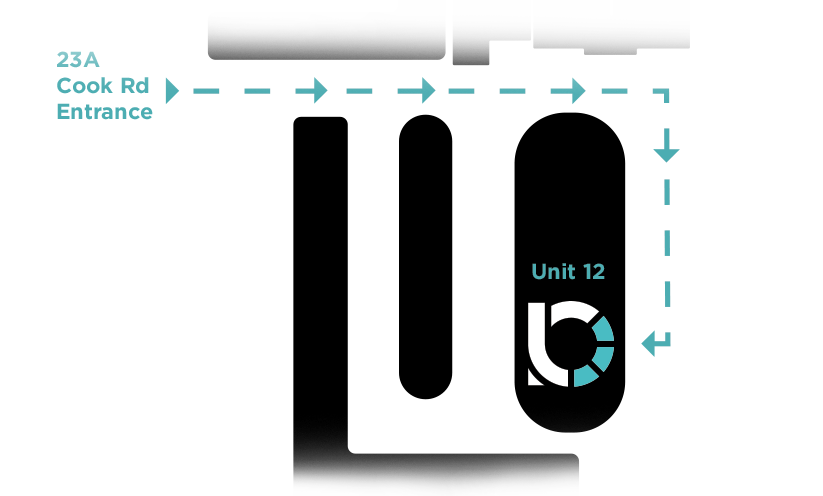
Within Mitcham we can usually run you home when you leave the car, or you can grab the 271 bus from Cook Road. Ask when booking.
Small jobs often fit within the week. Front ends and new car packages are best booked one to two weeks out, especially near end of quarter delivery peaks.
Yes. Ten minutes with the actual car beats any phone estimate, and the number you get is fixed before anything is booked.
About five minutes: Whitehorse Road west, left at Cook Road. There is parking on site when you arrive.
Usually yes. A standard tint is a same day job, so a morning drop-off is ready by late afternoon.
Daily. The EastLink and Maroondah corridors produce exactly the front end chip pattern film exists to stop, so front packs are the local staple.
Short jobs, there is seating at the workshop; longer jobs, the Mitcham shops and cafes are a two minute walk.
可以。报价、预约、交车说明都可以用中文进行,扫描我们的微信二维码即可开始咨询。
Around ten minutes along Whitehorse Road with parking on site, or take the train one stop past Nunawading to Mitcham and walk five minutes.
New car packages lead, followed by ceramic coating. Fresh deliveries from the eastern dealerships usually come straight here in week one.
Yes. Send photos of the car and the services you want through WeChat and we will give you a range, then confirm it fixed when we see the car.
Two days. Drop off on the way to work via Springvale Road, collect the next evening.
Constantly. Book before your delivery date and we schedule the car straight in, so it is protected before its first freeway run.
Identical. Every price on this site is fixed and suburb blind: the quote depends on the car, never the postcode.
可以,从报价到交车全程中文无障碍,也可以通过微信联系我们,二维码在网站页脚。
For work that cures in controlled booths and carries written warranties, most owners think so. There is no equivalent facility closer to Glen Waverley.
New car packages and ceramic coating, in that order. The suburb buys a lot of new cars and protects them early.
Book ahead with the estimated date and we hold a bay that week; dealers shifting dates is normal and we move with them.
Everything happens at our workshop on Cook Road in Mitcham, about 15 minutes up Springvale Road from Mount Waverley. Film and coatings need clean, temperature stable conditions that a driveway cannot offer.
Usually a front end film package with a ceramic coating over the rest. The film handles freeway stone chips, the coating keeps washing quick and the pair comes in well under a full body wrap.
Ceramic coating one to two days, front end film about two days, full body about a week. New car packages run three to four days. We give you a firm window when booking.
Fitted properly, no. Edges are wrapped or finished at panel lines and the film itself is optically clear. Most people cannot pick a filmed panel until you point at where the coverage stops.
A ceramic coating is usually one to two days, a front end film package about two days and a full body wrap about a week. We confirm the timeline when you book so you can plan around it.
No. Pricing is fixed across every suburb we serve. A front end film package starts from $1980 and a ceramic coating from $980. Drive in from Bulleen or from the other side of town, the number is the same.
Film for the horizontal panels if sap and droppings are constant, since it is a physical barrier. A ceramic coating over the rest keeps washing quick. Plenty of customers out that way run exactly that combination.
Yes, and it is the ideal time: no correction needed, so the film and coating go over perfect paint. Three to four days for a full new car package, booked around your delivery date.
Not too late, but the etching needs machine polishing first. We correct the paint, then coat it. Coating over etched clear coat just locks the damage in under a glossy layer.
Bonnet, front bumper, both front guards and the mirror caps, with edges wrapped where the panel allows. Headlight film can be added while the front of the car is masked up.
Leave a ceramic coating a week before its first proper wash, and keep pressure washers off fresh film edges for a fortnight. You get a written aftercare sheet at pickup with the details.
A day for most single stage work, longer once multi stage correction or engine bay work joins the list. Pre-sale details usually run a full day and we confirm the timeline when you book.
Machine polishing removes microns of clear coat, which is why we measure thickness before starting. On healthy factory paint the margin is comfortable. On resprayed or previously polished panels we adjust the plan and say so.
Most of our cars come from across the eastern suburbs, from Box Hill out to Ringwood and down to the Waverleys. Same workshop, same fixed prices whatever the postcode.
Usually, yes. Buyers read a clean, corrected car as a cared-for car and pay accordingly. From $850 for the pre-sale package, the maths tends to work on anything selling above a few thousand dollars.
All of them: the workshop is fixed in Mitcham and customers drive from across the east and beyond. The suburb pages above just make directions easier.
No. Pricing is fixed and identical for everyone because all work happens at the workshop, never in driveways.
New car protection packages, with ceramic coating close behind. Delivery week bookings from eastern dealerships arrive daily.
All Questions
Products and Technology
Grouped from every service page and updated automatically. Click a question to expand it; anything missing, call 1800 985 880.
The top coat. It is hydrophobic from day one, so water beads on bare film, and it self-heals light scratches with heat. The adhesive underneath is engineered against yellowing, which is where lesser films age worst.
Yes, that is the wear and tear pack from $380. It covers the contact points that scratch on every car and takes a few hours rather than days.
On a full body job we quote the roof based on the car. Painted roofs benefit, glass roofs obviously do not need urethane. We will walk the car with you and agree exact coverage first.
Crystal Serum Light is guaranteed for five years, Ultra for nine. Looked after with sensible washing, both routinely outlast the paper. Abused with brush car washes, any coating on any car will die early.
No, and anyone claiming that is selling something. It resists wash swirls and light abrasion because it is harder than clear coat, but a key or a stone will still mark it. For impact protection you want film.
Gtechniq sells a consumer line, but the professional serums are accreditation only because a botched application has to be machine polished off. The guarantee also only exists with accredited installation.
Full decontamination, single stage machine polish and the coating itself. Cars with heavier swirl marks may need extra correction stages, which we quote after seeing the paint, never as a surprise on the invoice.
Yes. Wheels and callipers run from $60 per wheel with a high temperature coating, and we can treat glass and trim in the same visit so the whole car behaves the same in rain.
It is a pencil hardness rating for the cured base layer, harder than factory clear coat. It means wash swirls struggle to mark it. It does not mean stone chips bounce off, that job belongs to film.
The serum itself costs more, the application is less forgiving and the guarantee runs nine years. You are also paying for correction and preparation hours, which are what make any coating look good.
No. Any existing coating or sealant gets machine polished off first so Ultra bonds directly to clear coat. Coating over a failing layer just means both fail together.
Give it a week before the first wash while the serum fully hardens. After that, normal pH neutral washing is fine. We hand over the full care routine at pickup.
Usually not, and we will say so. Crystal Serum Light protects well for the years you will own it at a lower cost. Ultra pays off on cars being kept the better part of a decade.
It is a ceramic coating, with graphene oxide added. The additive brings small gains in water spotting and heat behaviour. Preparation and aftercare influence the result far more than the additive does.
Yes, just faster. Dirt releases easily and water sheets off, but nothing is self cleaning. A fortnightly pH neutral wash keeps any coating performing for its full life.
Yes, that is exactly what satin films exist for. Satin films like STEK DYNOmatt are engineered to sit on factory matte paint and preserve the flat look while adding a protective layer.
A correctly matched satin film reads the same as the paint from normal viewing distance. We compare sheen on your car before wrapping, because matte finishes vary between manufacturers.
The films we fit are warranted for ten years against yellowing and cracking. With sensible washing they stay consistent for that period. Damaged sections can be replaced individually rather than rewrapping the car.
No. Wax and polish add gloss, which ruins the finish you paid for. Satin film only needs pH neutral washing, which is genuinely less work than maintaining gloss paint.
Yes. Professional removal leaves factory paint untouched, which is the point: the film takes years of wear, comes off and the original matte finish underneath has never been touched.
On any car with LED or matrix headlights, yes. One cracked lens costs more to replace than filming every light on the car, and the film also stops the UV yellowing that dims older cars.
No. The film is optically clear and measured output through it is effectively unchanged. Dark smoked films are a different story, which is why we advise against them.
The film itself resists UV and is designed not to yellow, and if it ever degrades it peels off and gets replaced. The lens underneath stays sealed away from the sun the entire time.
The lenses need machine polishing first to restore clarity, then film locks in the result. That combination is the permanent version of the headlight restoration kits that fade in months.
Quality film professionally fitted does not. Problems come from bargain films and dry installs leaving adhesive residue. Our headlight film uses the same removal safe adhesive as our body films.
Yes, within reason. The urethane absorbs and spreads the impact of typical road stones so paint underneath stays intact. An exceptional strike can mark the film, and a marked film section is replaceable, a chipped panel is not.
Same product. Stone chip protection film, clear bra and PPF are all names for clear polyurethane paint film. What differs is film quality and installer skill, which is where quotes vary.
You can, but chips land on bumpers and mirrors just as often, so a bonnet only job tends to disappoint. The front end package covers the full strike zone for a proper result.
Not when fitted properly. Peeling edges and bubbles are installation faults, not film faults. Our installs are precut, edge wrapped and warranted for ten years against yellowing and cracking.
The film takes the hit and you replace that section of film, not the paint. It is a workshop visit measured in hours, versus days and colour matching risk at a panel shop.
A thick textured polyurethane film, tougher than standard clear PPF and finished with a matte texture. It is built to absorb branch scratches and gravel rash rather than to disappear on show paint.
The kits are sold DIY, but large panels on a 4WD are unforgiving, and poor edges lift in dust and creek crossings. Professional fitting costs less than replacing a wasted kit.
Yes, professionally removed it leaves factory paint intact. That is the appeal: years of track damage land on a removable layer and resale paint stays original.
For flanks that meet scrub, yes, texture hides the abuse. For bonnets facing stone spray, clear film does the job and keeps the paint visible. Many builds run both.
Ask what the product is and how the warranty works, then compare against a workshop quote. Dealer packages are usually sealant based and priced above equivalent professional work. Some buyers still choose them for convenience, informed is the point.
No, it is a real product with modest durability sold at a strong margin. The issue is labelling: a sealant marketed with ceramic language sets expectations the product cannot meet.
Usually front end film or the wear and tear areas, since you are protecting resale condition for a defined period. We will match coverage to the lease term rather than upsell.
Any car where the correct process matters more than the fastest one: exotics, classics, soft paint European marques and new prestige deliveries. The techniques transfer, the risk tolerance changes.
Typically several days depending on paint condition and how far the brief goes. We quote time honestly after seeing the car, because rushing show preparation defeats its purpose.
Yes, with paint thickness readings first and a conservative plan. Original paint has finite thickness and real value, so we correct the minimum needed and preserve the rest.
Every cut removes some clear, which is why we measure first and match the stage count to the defects. Managed properly, a car can be corrected several times across its life safely.
Yes, we schedule around shows, sales and photography dates regularly. Tell us the date the car needs to be ready and we will build the booking backwards from it, with a margin for weather and cure times.
Contact Us
Get in touch with us or stop on by to say hey
Give us a call or drop by anytime:
P: 1800 985 880
T: 0483 930 888
E: info@liquidr.com.au
A: 12/23A Cook Road Mitcham VIC 3132
Opening hours:
8:30am-5:50pm Monday to Friday
8:30am-1:30pm Saturday
Enquiry & Booking
Location Map
Google Map
Customer Reviews
Real reviews from Liquid R customers, verified and published by hand.
Rated 5 out of 5 from 89 verified customer reviews, latest 12 shown below.
Liquid R did an amazing job on my car. The finish looks flawless, smooth, premium, and really enhances the original colour. Excellent workmanship and attention to detail. Very happy with the…
Khanh Truong My
Very good service and quality. This was my first time doing ceramic coating for my new ride and the explanation during handover was great by Mark. Jacky was good too when I first deal with him and he showed me around explaining how the job will be done. Happy customer. Definitely comeback when I need their service.
JImmy Santoso
Visted Jacky and the team to get package 4 treatment for my Zeekr 7x. First time getting PPF, ceramic coating and window tinting on my car and could not be happier by the results. I highly recommend Jacky and his team.
Thomas O
Exceptional services at Liquid R. Excellent workmanship and they know how to honour their work and customers.
John Lim
I can’t recommend Jacky and his team highly enough. I accidentally opened my boot while the garage roller door was down, which left some nasty scratches. I was expecting the worst and thought I’d be up for an expensive respray, but they were incredibly helpful and managed to repair the damage beautifully. Jacky took the time to explain my options and went above and beyond to achieve a great result, saving me a lot…
Jessica Palmieri
We’ve been customers of Bobby for over 15 years, even before Liquid R was established, and we’ve continued to follow him ever since. That alone says a lot about the level of trust and quality they provide. The team at Liquid R consistently delivers outstanding workmanship. Every job is done with incredible attention to detail, care, and professionalism.
LYDIA X
Jacky and the team showed meticulous care and incredible attention to detail when installing a ceramic coating on my new RS3. The car came out far better than when it left the show-room floor and far surpassed my expectations. The handwashing tutorial that Jacky ran me through upon collection was also a great knowledge transfer & showed true dedication to their craft. 11/10, can't recommend enough.
Aidan Croxford
Had my new Model Y receive front end PPF, ceramic coating, interior protection and tinted windows. Very happy with the craftsmanship from Jacky and the team.
Tangy Ngo
I brought my CLA45 in for a wrap and had a great experience. Jacky and his team were always helpful and responsive. The final result looks fantastic. Highly recommend them to anyone considering a wrap.
Ambrose Li
Jacky and the team at Liquid R did a fantastic job with a full PPF wrap and window tinting on my 300 Series LandCruiser. Great pre and post sales service too. Not the cheapest, but you get what you pay for.
Andrew Wood
Liquid R did an amazing job detailing and ceramic coating my car. Service was 10/10 and quality of work was high end. Highly recommend going to liquid R!
AJ Liska
Brought in my Tesla on a Friday and got in back the very next Friday for a full body PPF + graphene coating on top. To start with, this timeframe is impressive given the job they have done. On top, from start to finish, I received excellent communication and professionalism along the way, and of course, a flawless job done on the vehicle. It's hard to write any negatives, my car came out looking twice as good as…
Bas Dobbelaere
Submit a Review
Vehicles Protected
m² Workshop
Years of Combined Experience
Dedicated Bays