Ceramic Coating Melbourne
Ceramic Coating in Melbourne
A ceramic coating is a liquid polymer that bonds with your clear coat and cures into a glass-hard layer. It seals the microscopic pores in the paint, so water sheets off, road grime struggles to stick, and the gloss reads deeper than factory. What it is not is chip protection; that job belongs to film, and we will tell you when your car needs that instead. Soft painted EVs are the usual example.
The coating is only half the result. The other half is where it goes on: our Mitcham facility runs over 1,000 square metres with ten dedicated application bays, and we have been coating cars there since 2015 as Gtechniq trained applicators.
We book around new car deliveries, so a fresh car can come straight to us before its first proper drive. Coating-led new car packages start at $1090.
Contact Us
Get in touch with us or stop on by to say hey
Give us a call or drop by anytime:
P: 1800 985 880
E: info@liquidr.com.au
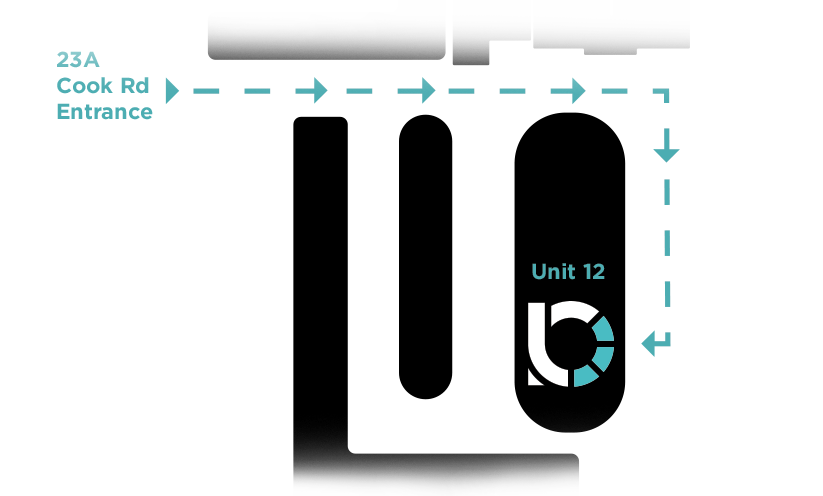
A: 12/23A Cook Road Mitcham VIC 3132
Opening hours:
8:30am-5:50pm Monday to Friday
8:30am-1:30pm Saturday
Enquiry & Booking
Vehicles Protected
m² Workshop
Years of Combined Experience
Dedicated Bays
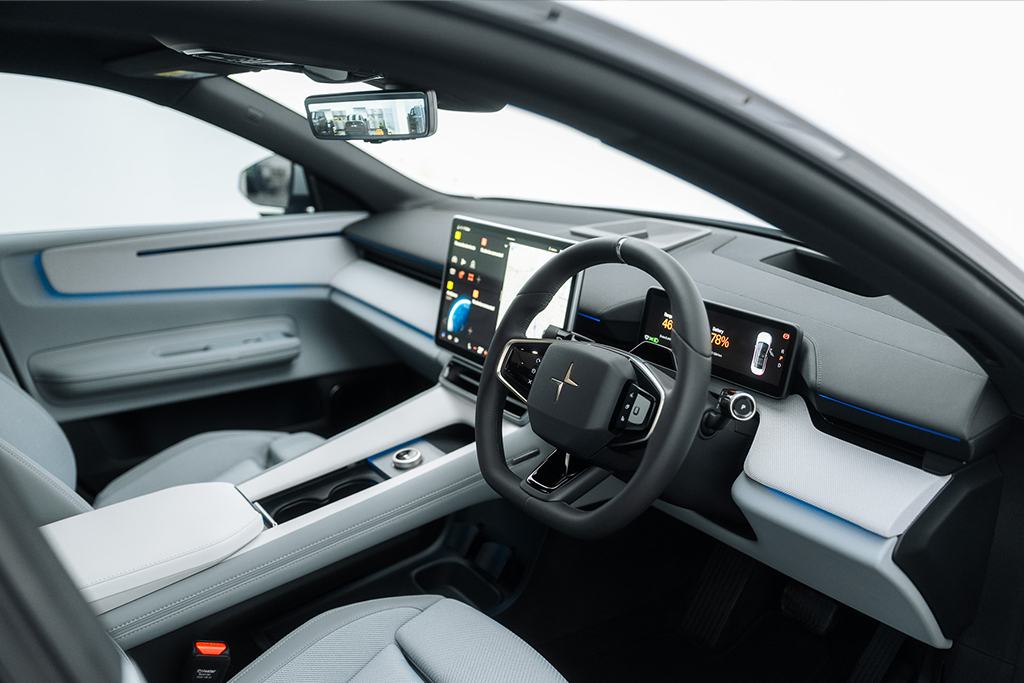
PPF on the panels that get hit, ceramic coating over the rest, window tint if you want it, bundled at a sharper price for a brand new car. See the packages.
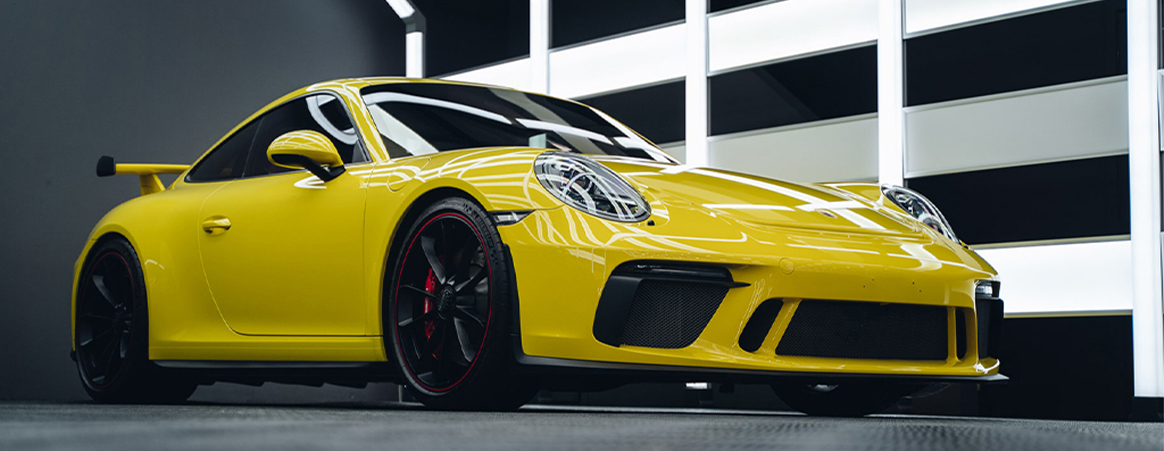
Explore Our Services
Paint Protection Film: self-healing film for the panels stone chips hit first.
Colour Transformation: a full colour change in Spectra Colour PPF, no vinyl, no respray.
Window Tinting: 3M and Defcon films fitted to Victorian legal limits.
Detailing: paint correction, interior deep cleans and PPF refresh.
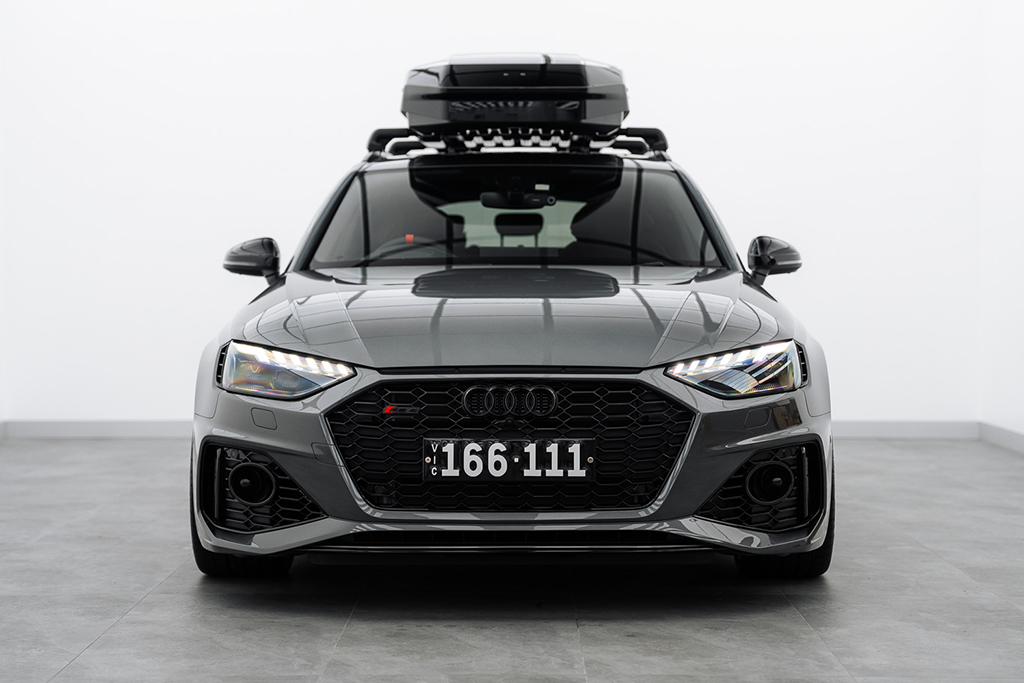
Full Car Ceramic Coating
Every painted panel decontaminated, machine polished where the paint needs it, then sealed with Gtechniq ceramic. Gloss deepens, dirt releases with a rinse, and the finish is warrantied for years, not months.
Full Car Graphene Coating
Graphene infused chemistry on top of the same preparation. It runs slicker than a standard ceramic, sheds water faster and resists the mineral water spots Melbourne bore water leaves behind.
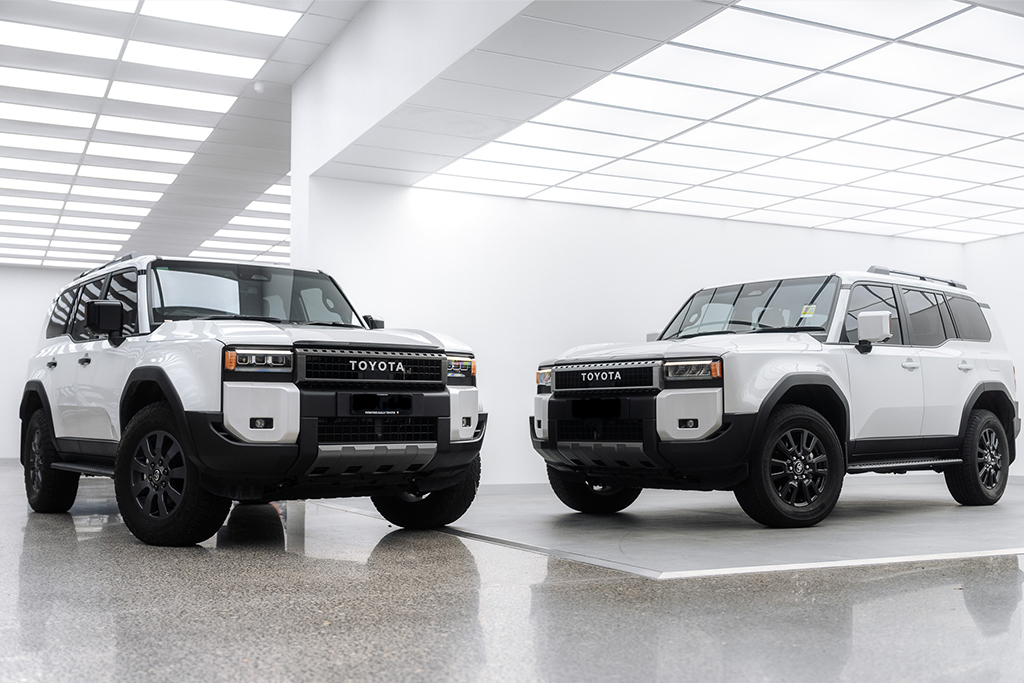
PPF Ceramic Coating
A ceramic layer applied over paint protection film, including films from Defcon Films Australia. The film handles impacts, the coating handles dirt and water, and the car stays easy to wash. See our PPF page for film options.
Alloy Wheel Ceramic Coating
Brake dust bakes onto bare alloys and pits the finish. A wheel specific ceramic handles the heat and lets the dust rinse off before it bonds. Performance cars like the BMW M2, M3 and M4 dust hardest and gain the most. Faces only, or off the car for barrels and calipers.
Interior Leather and Fabric Coating
Seats, carpets and trim sealed against coffee, sunscreen and jean dye. Spills bead on the surface long enough to wipe away instead of soaking in. Popular with white and light interiors, and with Mercedes owners protecting factory leather.
What a Ceramic Coating Does
Bonded at the molecular level, the coating fills the pores that make paint grabby. The surface turns hydrophobic: rain beads and rolls, dried bugs release with a rinse, and brake dust wipes instead of etching. Underneath it all, the clear coat is shielded from UV and chemical staining, which is what keeps colour from going flat over the years.
What a Coating Does Not Do
A coating will not stop a stone chip and it will not fill scratches that already exist. Any workshop that tells you otherwise is selling. Impact protection is paint protection film’s job, and existing defects need correction before coating, because a coating locks in whatever finish sits beneath it. On soft Tesla paint the film question comes up first.
Gtechniq: Serum Light and Serum Ultra
We work with the full Gtechniq range every week. Crystal Serum Light is the standard coating in our packages and an excellent daily-driver choice. Crystal Serum Ultra is the flagship, reserved for professional workshops, with the hardest finish and the longest warranty Gtechniq offers. Our supercar guide covers where Ultra earns its keep. We will tell you plainly when Light is all your car needs.
Preparation Decides the Result
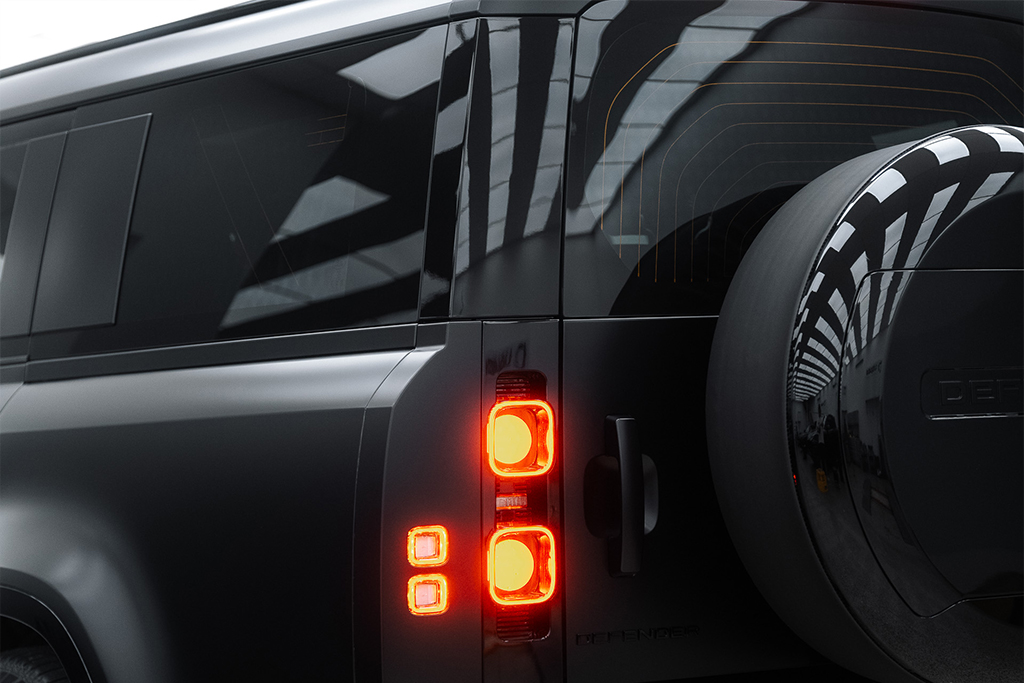
Before any coating touches the car it gets a full decontamination: foam pre-wash, two bucket contact wash, iron and tar removal, clay treatment, then machine polishing under inspection lights. Skip any of that and you seal dirt and swirls under glass. This preparation is most of the labour and most of the price, and it is why our results last.
Paint Correction Comes First
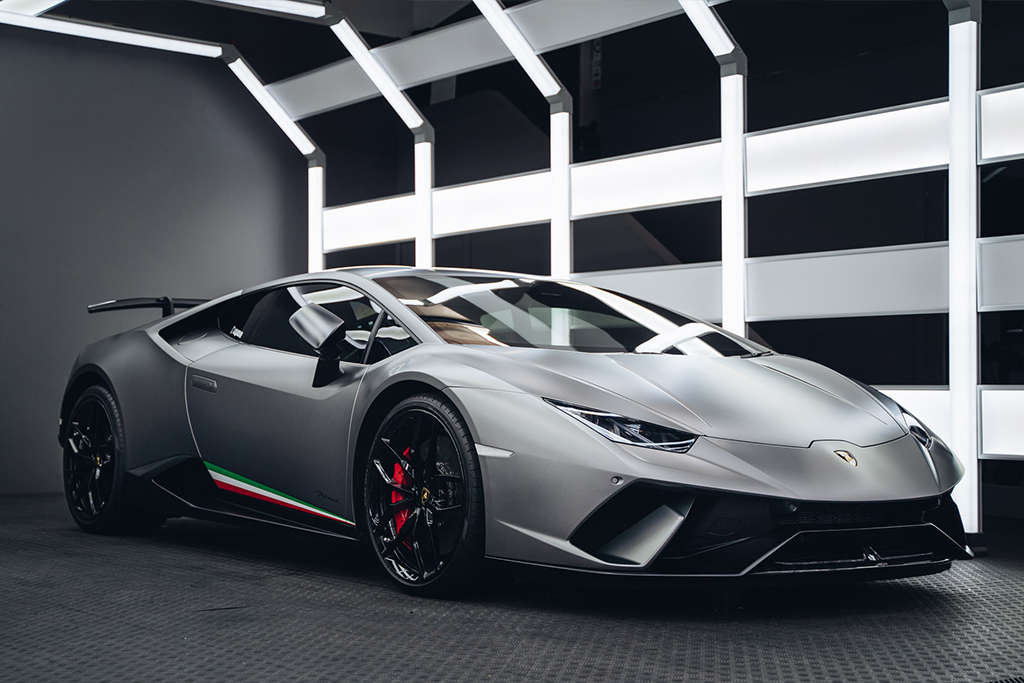
Correction here is staged, not brutal. A light cut shows us which defects are shallow, deeper marks get targeted individually, then the finish is refined back to gloss. We never blanket-cut whole panels for the sake of two scratches, because clear coat thickness is finite and modern cars ship with less of it than ever. More detail on the detailing page.
Why Indoors Matters
Mobile coating in a driveway means wind-blown dust settling into wet coating, and dust under glass is a correction bill later. Our application bays are indoors, lit for inspection and temperature controlled so the coating cures the way its maker intended. It is the least glamorous advantage we have and one of the most important.
How Long a Coating Lasts
A professionally applied coating protects for two to five years in normal Melbourne use, and well-maintained cars have stretched ours toward nine. Garaged weekenders like a Porsche 911 sit at the long end of that range. Compare that with a wax measured in weeks. Longevity tracks maintenance: the wash routine on this page is most of the difference between a three year coating and a seven year one.
Washing a Coated Car
The routine is easy and matters: pH neutral shampoo, a rinse before contact, no brush car washes, dry with a clean towel or blower. Done that way the coating keeps its beading and the paint stays swirl-free, because nothing gritty ever gets dragged across it. We hand every customer this routine at pickup. The full wash routine is on our aftercare page.
Coating Versus Wax
Wax is a sacrificial layer that sits on top of paint and surrenders in weeks to sun and shampoo. A ceramic coating chemically bonds and stays for years. Wax wins on upfront price and DIY comfort; the coating wins every month after that. Most of our coating customers are former serial waxers who did the arithmetic.
Location Map
Google Map
Customer Reviews
Real reviews from Liquid R customers, verified and published by hand.
Rated 5 out of 5 from 10 verified customer reviews.
Spoke to Jacky and he has been incredible, really knowledgeable and will explain everything in detail. Very pleasant guy to talk to as well. Left my BMW X2 for ceramic coating and the job done by his team was amazing. He also does a proper handover by explaining how to wash the car and to maintain the shine. Thank Jacky and team.
Stanley
Jack and his team did an absolute amazing job and was very professional! Dropped off the car for coating and tinting and was extremely satisfied. Walked us through how to care for the car as well before I picked it up. Would definitely…
Jay Lee
Just had my car ceramic coated at Liquid R. Jacky was super professional, easy to talk to, and took great care of my car. Great service, great team. Highly recommended!
Danny Allen
Professional advice and reasonable price. Most important is that they work with hearts. I have my 5 years old Toyota Corolla “fixed “ by them. Now I got a brand new car. Highly recommended 👍🏻👍🏻👍🏻 I picked up my 2nd car from Liquid-R yesterday. Another stunning work.
Patricia chan
Cannot fault Liquid.R service and work done on our new car. From initial contact, Jacky invited me to the work shop and discussions about what work I wanted done. He was so helpful and thorougher. I’m so happy I went with Jacky and his team for my new pride and joy and can’t thank his organisation enough. Considerate, attention to detail, genuine love of what they do and price I found to be very competitive.
Luke Marsden
3 cars in 5 years! Jacky, Bobby and their team have consistently provided excellent service all these years. From ceramic coating to PPF of my new car and to clean up of my cars for sale. The experience and skills of the team gives me great confidence that my cars are in good hands. Great work Liquid R!
John Ling
Thanks Bobby and his team for looking after our new car. All in one package for ceramic coating, PPF and window tint.
Jordan Lim
Liquid R provides the best customer service in town! Jacky takes the time to explain all the details to their customers and deliver a perfect job every time. Highly recommended!
sun sidney
I initially would like to bring my new car to a well known local auto TLC shop 800 meters away who also does ceramic coating & tinted windows (I live in Clayton where plenty of auto shops around); their prices are much higher for the same services compared to LiquidR and my friend convinced me to take my new car to LiquidR instead; albeit the distance. The decision is worth it.
Ivan Adrianto
Thanks Jacky & Sean, so happy with way my car looks! Awesome job guys, you both know your stuff!
Rob Saro
Submit a Review
Common Questions
Frequently asked questions
Straight answers before you book. Anything else, call 1800 985 880.
If you keep the car more than a couple of years, usually yes. The coating replaces the endless wax cycle, keeps the paint from dulling, and protects resale condition. The maths works best for daily drivers that live outside, which is the opposite of what most people assume.
No, and be wary of anyone who says it does. A coating is microns thick and protects against chemistry: UV, staining, water spots and wash marring. Stopping stones is a physical job for paint protection film, which is why the two are so often combined.
If the paint has swirls or scratches, yes, because the coating seals in whatever is underneath. A brand new car usually needs only a light polish after decontamination. We inspect under proper lights and quote correction only for what your paint actually needs.
Absolutely, and older paint often shows the biggest transformation. The process is the same: decontaminate, correct what correction can fix, then coat. The coating will not repair damage, but it will lock in the corrected finish and make it far easier to keep.
The coating needs time to fully cure, so we ask you to keep it dry for the first days and skip washing for a couple of weeks. After that, the pH neutral routine applies. We run through all of it at handover so there is no guesswork.
DIY kits are real chemistry with none of the preparation. Applied over uncorrected, contaminated paint they seal the problems in, streak in ways that need machine polishing to undo, and last a fraction as long. The product is a small part of the job; the prep and the controlled environment are the rest.